Enhancing Security in the Digital Age
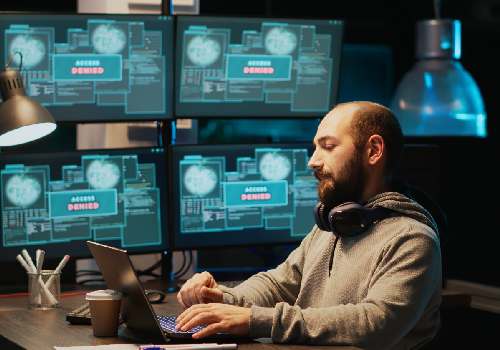
As digital transformations sweep across industries, the importance of robust cybersecurity has never been greater. Cyber threats are escalating in sophistication and frequency, placing critical data and sensitive information at risk. In response, organizations are leveraging cutting-edge advancements in cybersecurity, from AI-driven threat detection to zero-trust architecture, to safeguard digital assets and protect user data.
1. AI-Driven Threat Detection
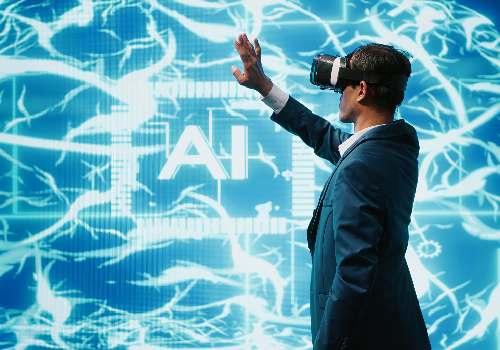
Artificial Intelligence (AI) has become a game-changer in threat detection, enabling security systems to identify anomalies and potential threats in real-time. By analyzing vast amounts of data, AI-powered tools can detect and mitigate security breaches before they escalate. Machine learning algorithms continuously adapt to emerging threats, offering a proactive approach to cyber defense that traditional methods can’t match.
2. Zero-Trust Architecture
The zero-trust model has gained traction as a powerful framework for modern security. Unlike traditional perimeter-based security, zero-trust assumes no user or device is inherently trustworthy, regardless of their location. This model enforces strict identity verification, access control, and continuous monitoring, minimizing the chances of unauthorized access. Organizations adopting zero-trust architectures are enhancing their security by reducing vulnerabilities from both external and internal threats.
3. Cloud Security Innovations
With the rapid adoption of cloud computing, protecting cloud infrastructure has become essential. Cloud providers are introducing advanced security measures, including end-to-end encryption, secure access management, and compliance monitoring. In 2024, businesses can expect an emphasis on securing multi-cloud environments, ensuring data protection across various cloud platforms. These innovations are crucial as companies rely more heavily on cloud solutions for flexibility and scalability.
4. The Rise of Cybersecurity Skills and Training
As cybersecurity threats evolve, so must the skills of the workforce responsible for defending against them. Organizations are investing in specialized training programs and certifications to upskill their employees and create a more security-conscious culture. Empowering teams with knowledge on the latest security practices strengthens the organization’s overall resilience and minimizes the risk of human error, which remains a significant vulnerability.
In the digital age, enhancing security is not just a technical priority but a strategic imperative. With innovations like AI-driven threat detection, zero-trust architecture, and advanced cloud security measures, businesses can better protect themselves against emerging threats. As organizations continue to prioritize cybersecurity, they are not only safeguarding their data but also building a foundation of trust with their customers, employees, and partners.
3 Comments

Emma White 10 Feb 2024
The zero-trust model sounds so practical. I can see why it’s becoming a go-to for securing networks. Any recommendations for small businesses looking to implement zero-trust?
Liam Garcia 15 Feb 2024
AI for threat detection is impressive! Are there any specific AI tools or platforms you recommend for companies just starting with AI in security?
Sophia Zhang 18 Feb 2024
Thank you for covering cybersecurity skills. So important! Do you have suggestions for training platforms that focus on the latest security skills?